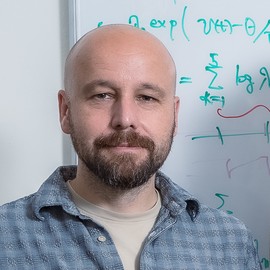
I lead the Laboratory of Computational Neuroscience at the Institute of Physiology, Prague, Czech Republic. I was trained as a physicist, and my Ph.D. thesis – “Principles of Information Processing in Neuronal Models” – focused on the applications of statistics and information theory to computational neuroscience. After a postdoctoral stay in France (INRAe, Versailles) I became leader of the Lab in 2014. See my CV for details.
Academic CV Corporate CV- Mathematical models of neural systems
- Stochastic point processes
- Bio-inspired signal processing and NeuroAI
- Information theory
- Estimation theory
-
PhD in Physics, 2007
Charles University and Institute of Physiology
-
MSc in Physics, 2003
Faculty of Mathematics and Physics, Charles University Prague
News
See all items.
- Apr 13, 2026: New preprint available on arXiv that introduces a compact and modular mathematical model of memristive devices with neurosynaptic-like properties and volatile memory.
- Apr 2, 2026: New paper out on neurosynaptic-like properties of polymer-based memristors, supporting spike-timing-dependent plasticity (STDP) for neuromorphic computing devices.
- Apr 1, 2026: Invited talk at Forschungszentrum Jülich on the role of coordinate invariance (e.g., the stimulus parameterization or the choice of physical units) in neural coding inference. Recorded video here. Thanks to Michael Denker, Cristiano Köhler, and others for kind hospitality.
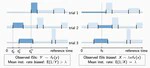
- May 22, 2025: A novel method for firing rate estimation from multiple recordings is introduced in our recently published paper.
Showcase
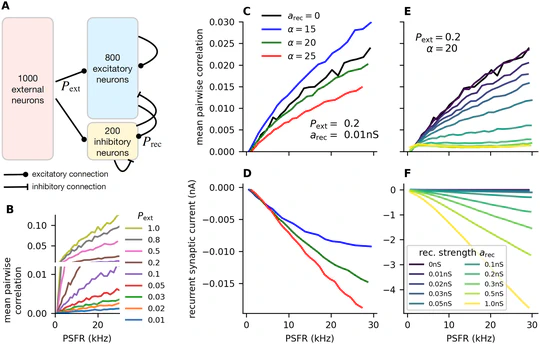
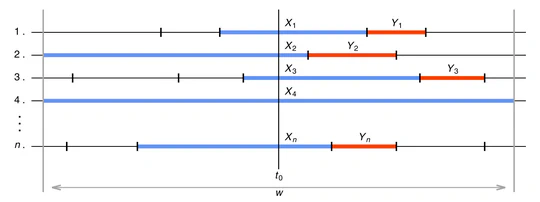
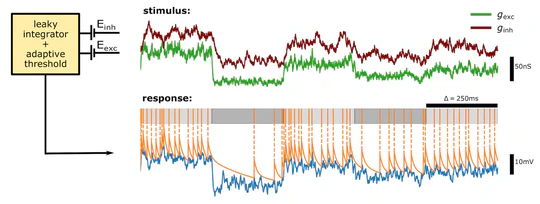
Selected publications.


Awards
- 2017: Prize for the best paper (IPHYS): Rajdl K, Lansky P, Kostal L (2017) Neural Netw., 95, 57–65.
- 2012: Otto Wichterle Award: by the Czech Academy of Sciences: “To stimulate and encourage selected, exceptionally outstanding, promising young scientists for their remarkable contributions to the advancement of scientific knowledge in a given area of science.”
- 2011: Prize for the best paper (IPHYS): Kostal L, Lansky P Pokora O (2011) PLoS ONE, 6, e21998.
- 2010: Best poster presentation award (Kostal L: “Information capacity in the weak-signal approximation”), Neural Coding 2010, Limassol, Cyprus.
- 1997: Students’ Professional Activities (SPA): Winner of the nation-wide high-school student competition in Physics with the thesis: “Numerical solution of the geodesic equation in general relativity for the extreme Schwarzschild-de Sitter metric” (in Czech, supervisor: prof. J. Podolsky, Faculty of Mathematics and Physics, Charles University Prague).
Publications
Invited Talks
See my CV for the complete list.


Involvement
See my CV for teaching duties and other professional service.
Editorial duties:
- Neural Processing Letters: member of the Editorial Board.
- BioSystems: Associate editor of the Neural Coding 2016 and Neural Coding 2018 Special Issues.
- Mathematical Biosciences and Engineering: Associate editor of the Neural Coding 2018 Special Issue.
Organization of international meetings (selected):
- CNS 2019 Workshop on Methods of Information Theory in Computational Neuroscience (Barcelona, Spain, July 16-17, 2019), chair of the organising committee.
- Neural Coding 2018 (Torino, Italy, September 9-14, 2018), member of the scientific committee.
- CNS 2015: Workshop on Methods of Information Theory in Computational Neuroscience (Prague, July 22-23, 2015), main organizer (jointly with A. Dimitrov, M. Gastpar, T. Sharpee, S. Schultz).
- Information Beyond Shannon 2013 (Prague, July 3-4, 2013), main organizer.
- Neural Coding 2012 (Prague, September 2-7, 2012), main organizer (jointly with P. Lansky).
Funding
Selected grants and fellowships. See my CV for the complete list.
- 2026–2029: Unconventional Computational Models with Polymeric Neurosynaptic Memristors: Scalable Probabilistic Architectures, The Ministry of Education, Youth and Sports (MSMT), ≈ 213,100 EUR
- 2020-2022: Optimality of neuronal communication: an information-theoretic perspective, The Czech Science Foundation (GACR), ≈ 261,000 EUR
- 2017-2019: Neural coding precision and its adaptation to the stimulus statistics, The Czech Science Foundation (GACR), ≈ 217,000 EUR
- 2015-2017: Efficiency of information transfer and the role of energetic constraints in neuronal systems, The Czech Science Foundation (GACR), ≈ 259,000 EUR
- 2012-2014: Information-theoretic analysis of stimulus coding in sensory neurons, The Czech Science Foundation (GACR), ≈ 56,000 EUR
- 2011-2013: Neural Coding and Information beyond Shannon, European Office of Aerospace Research and Development, Office of Naval Research Global, support for the respective workshops in 2012 and 2013, ≈ 20,000 EUR
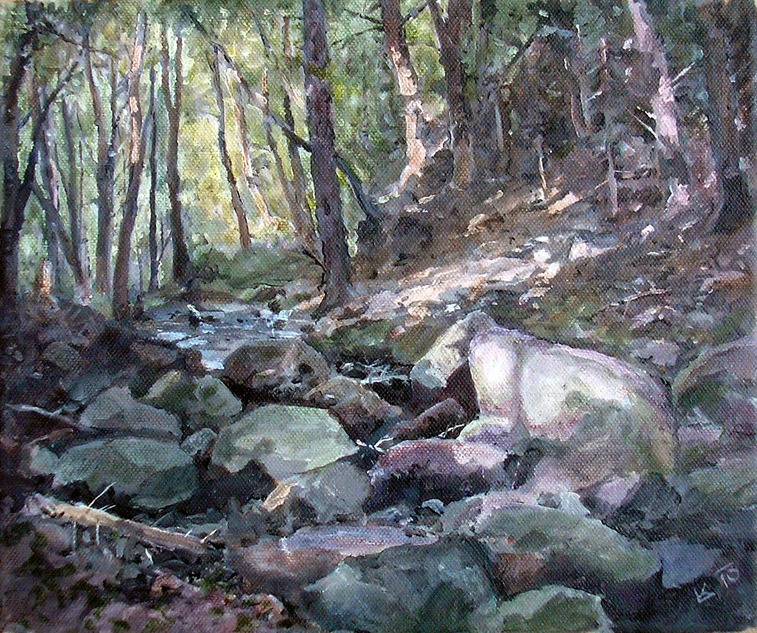
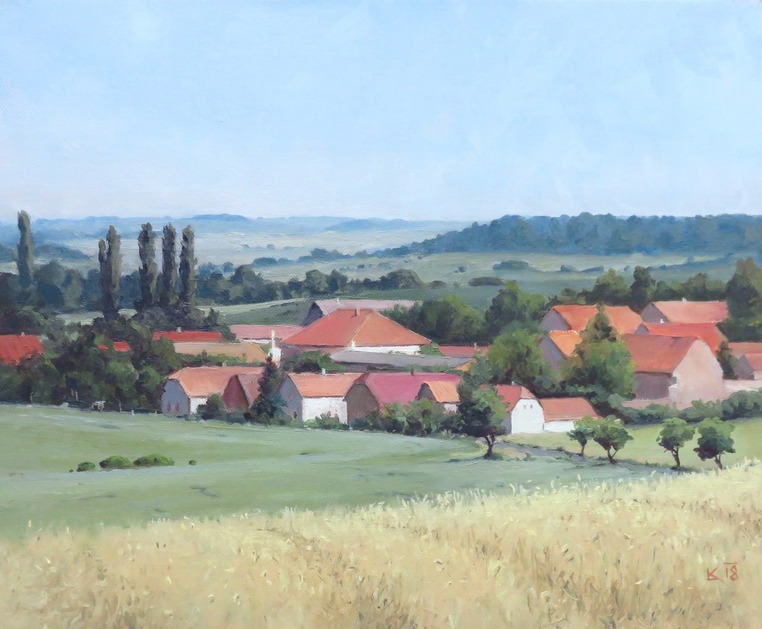
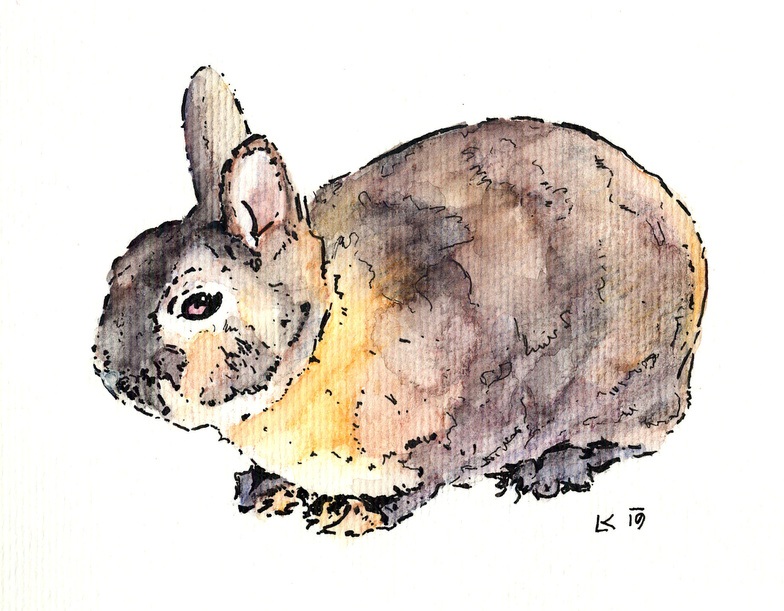
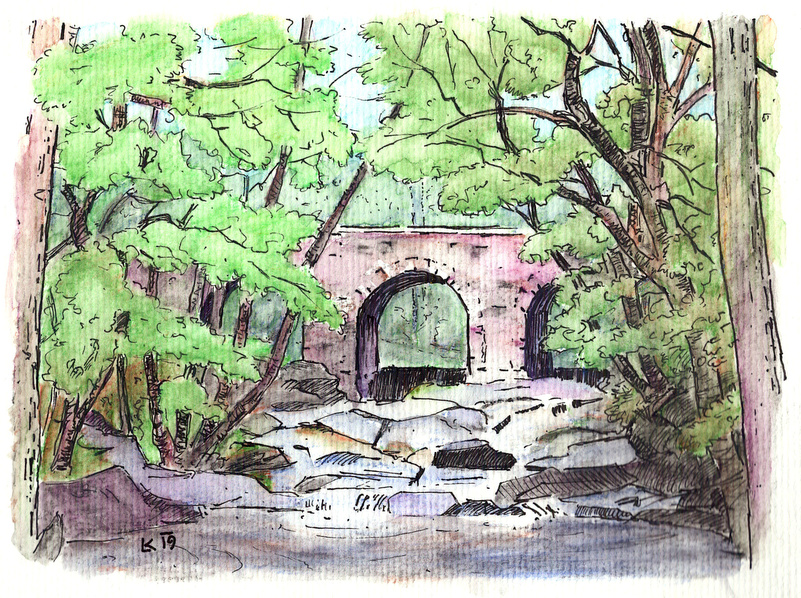
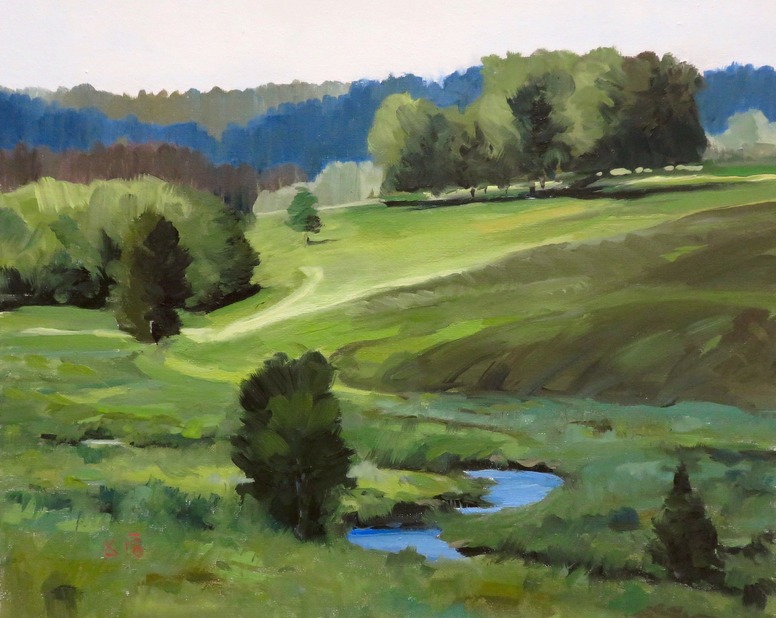
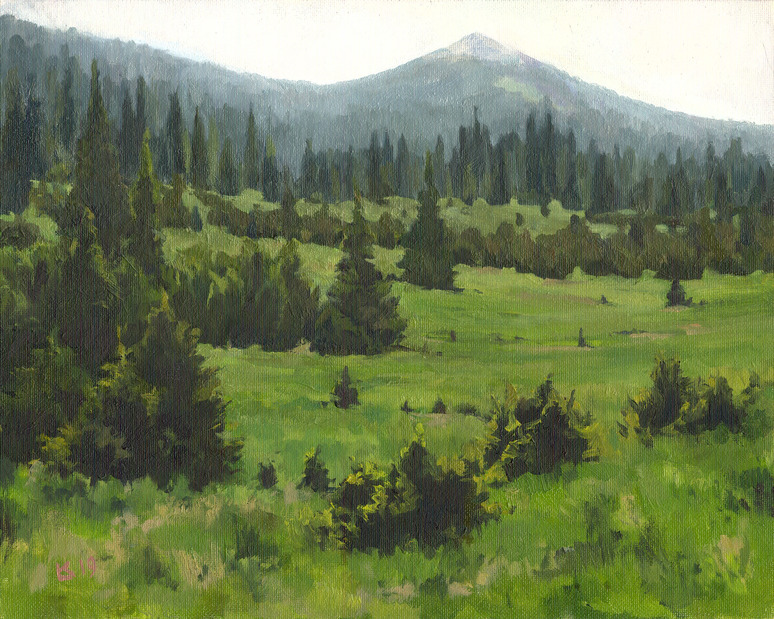
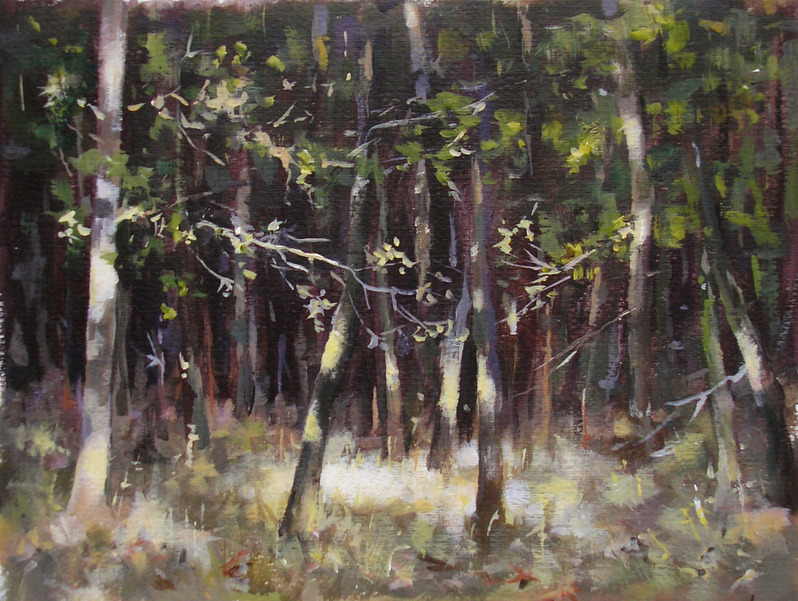
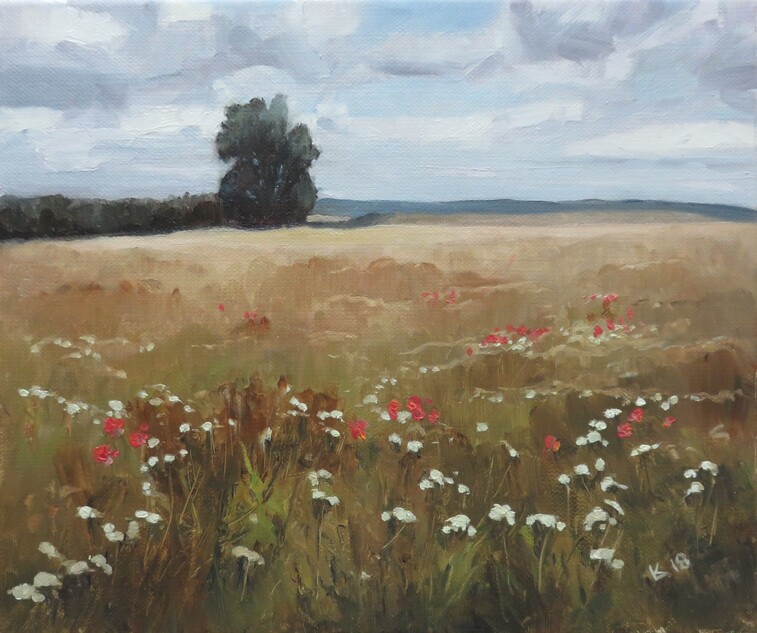
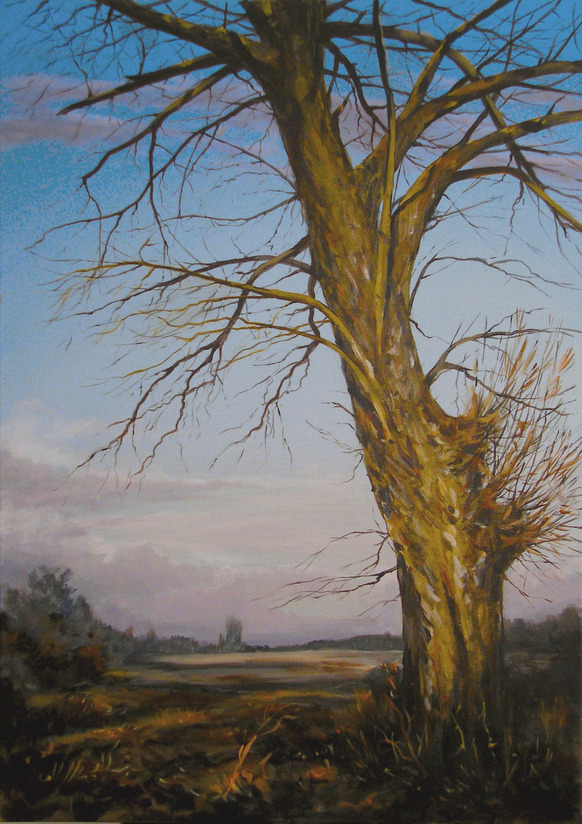
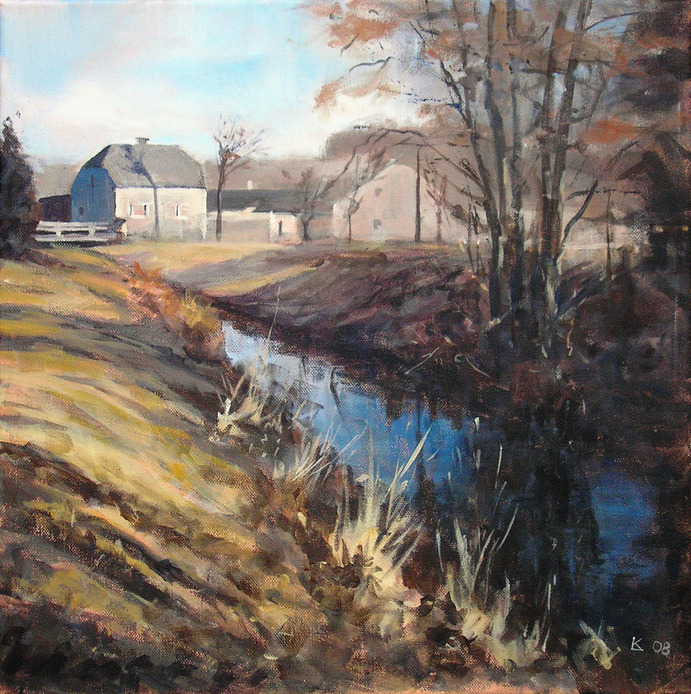
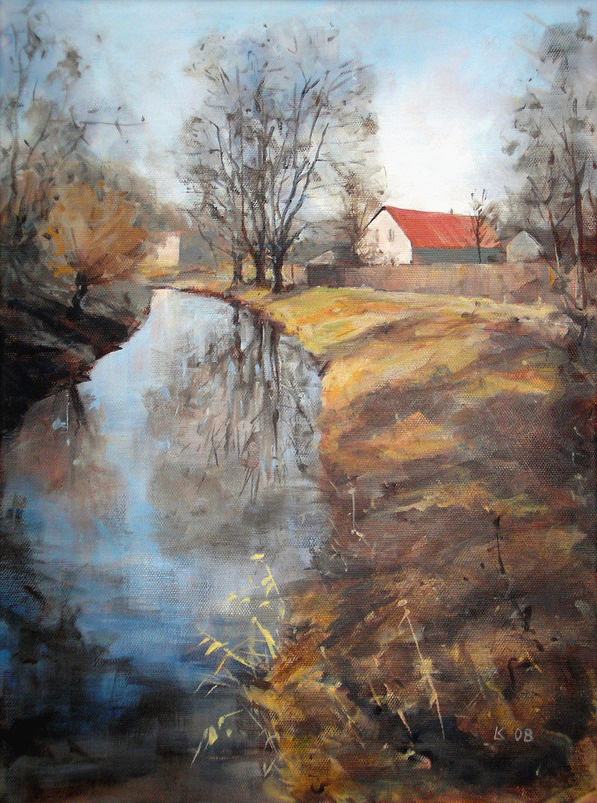
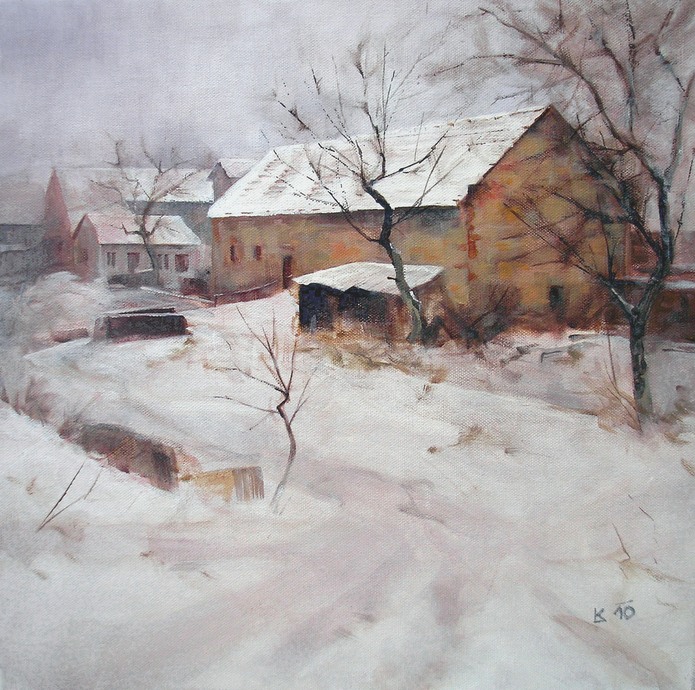
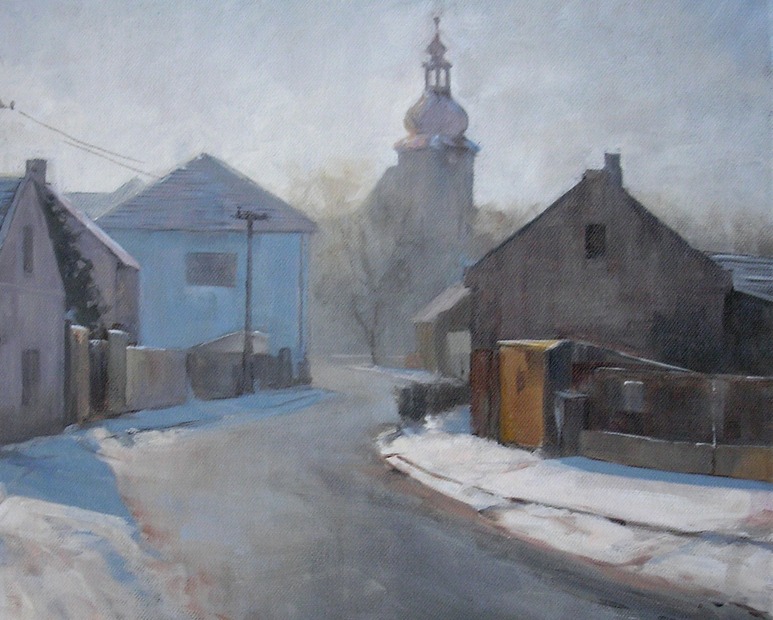
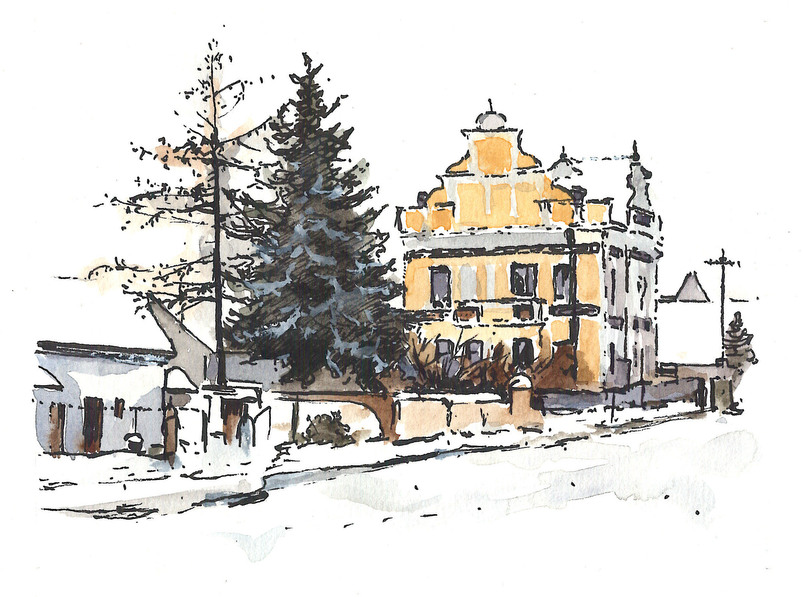
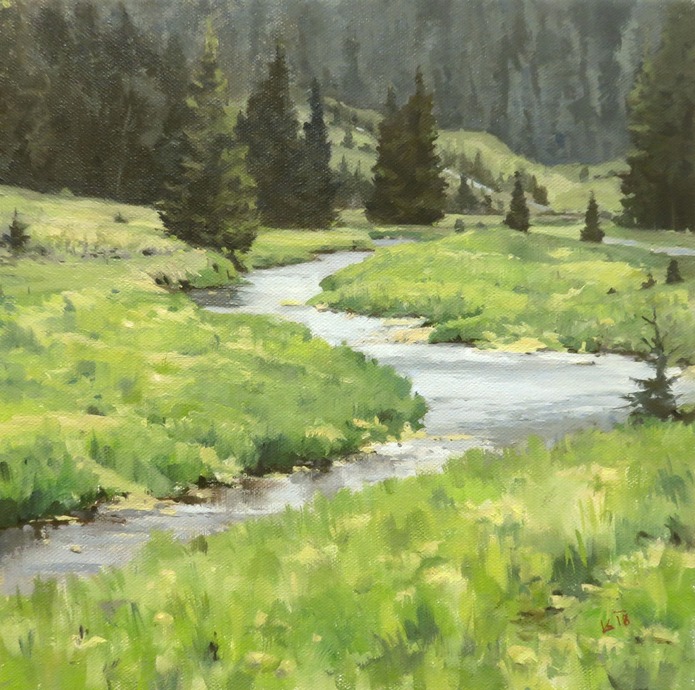
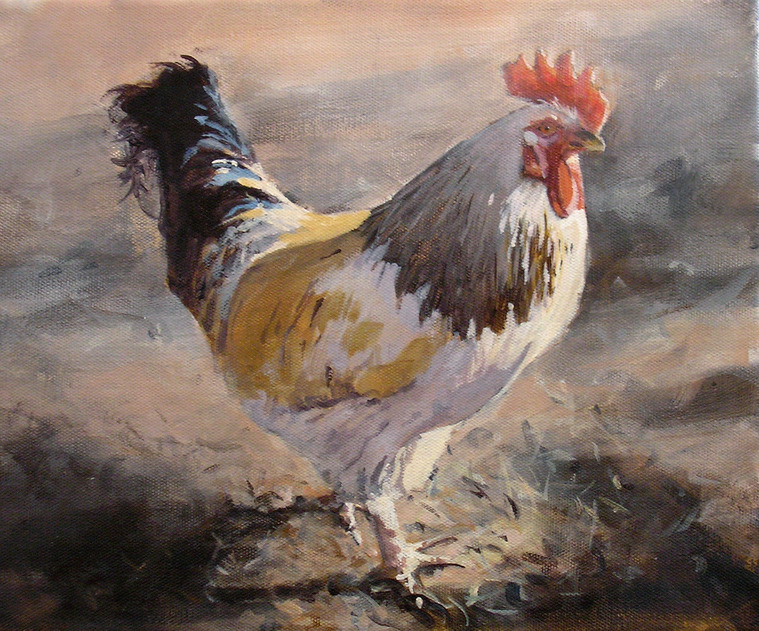
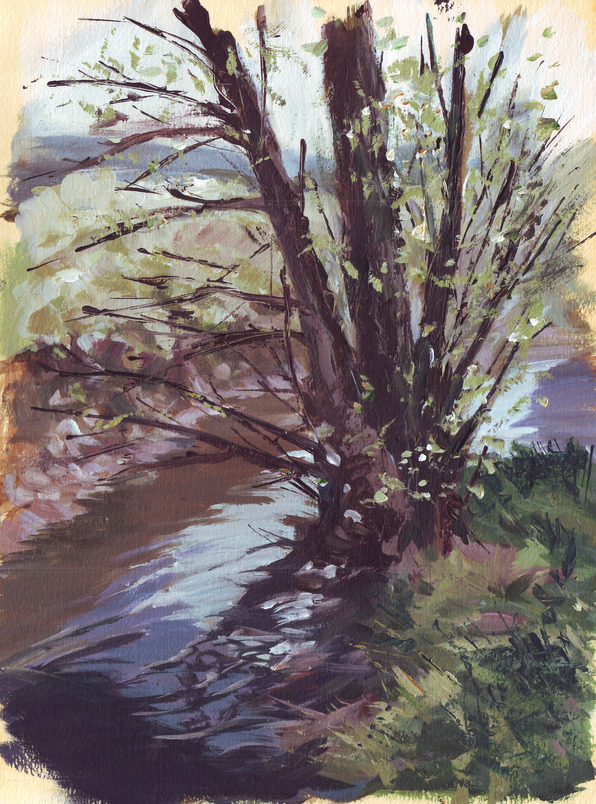
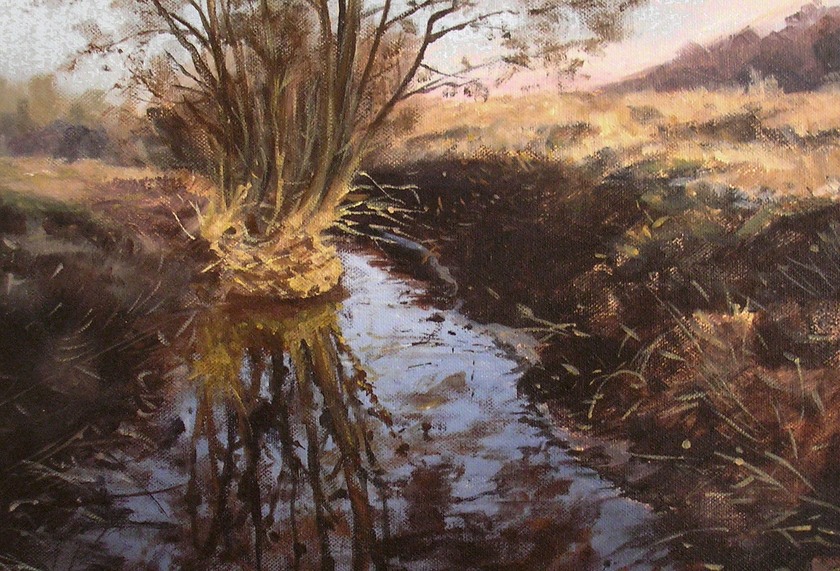
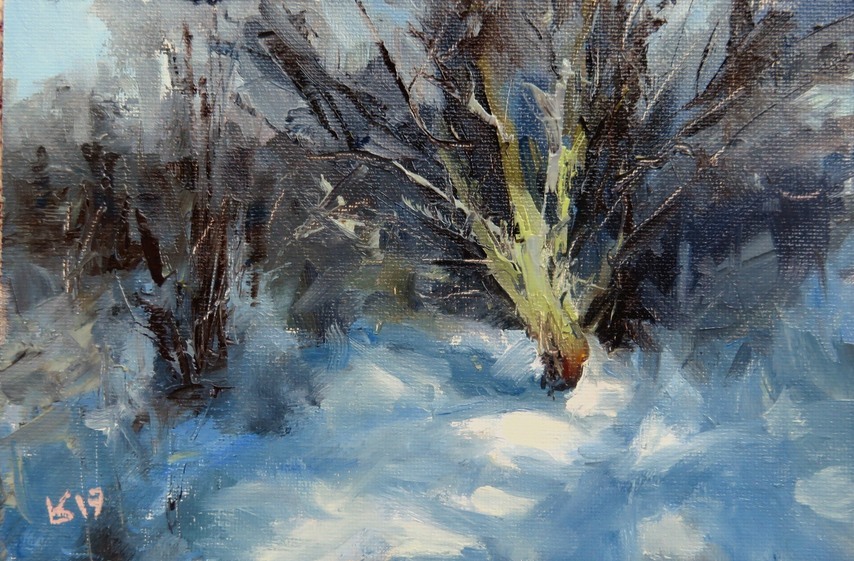
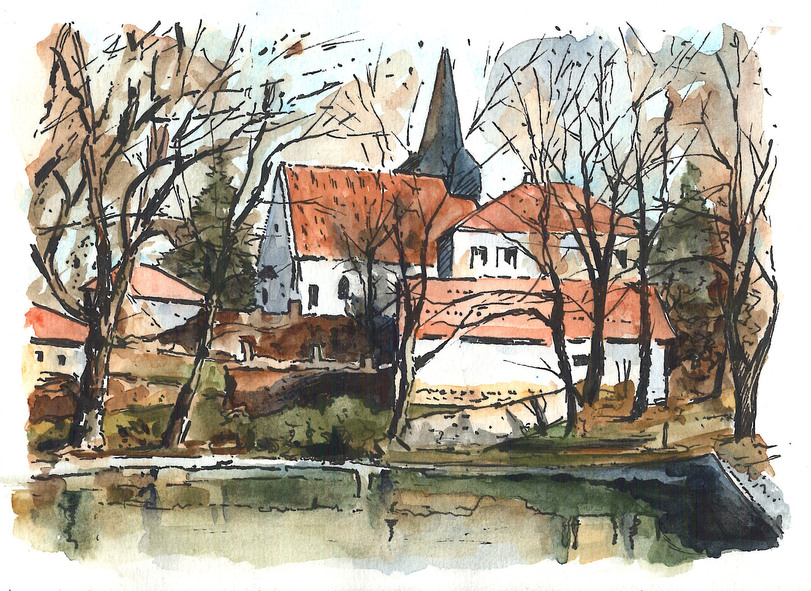
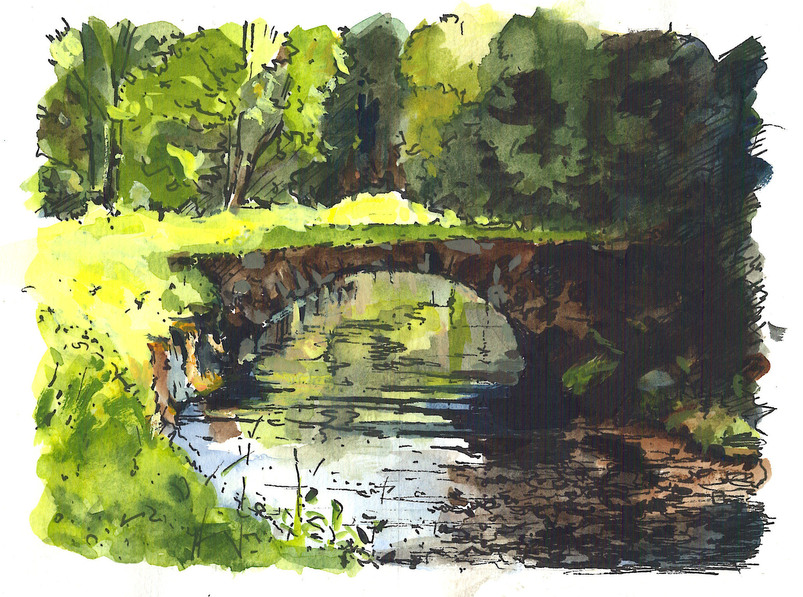
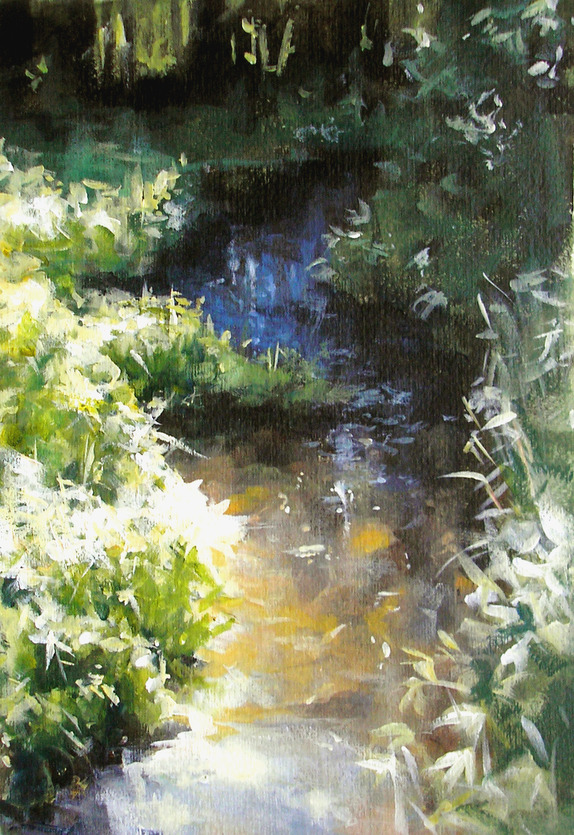
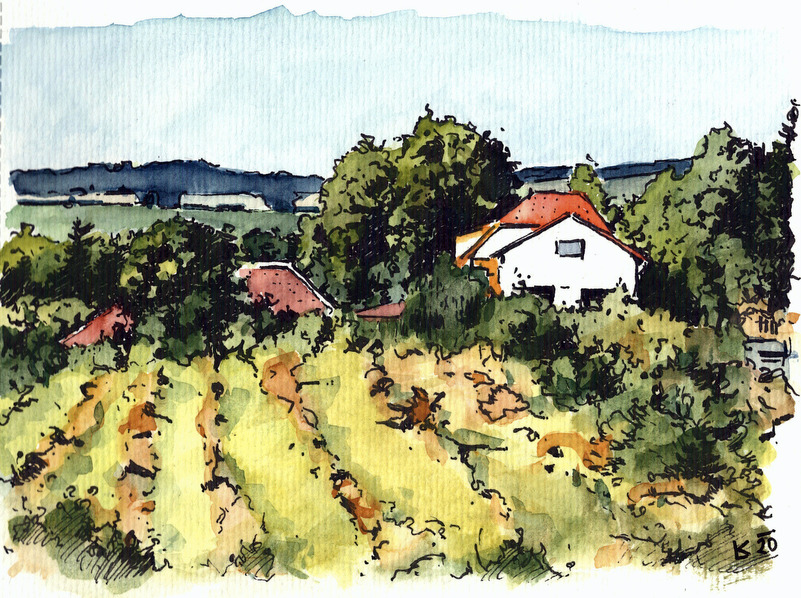
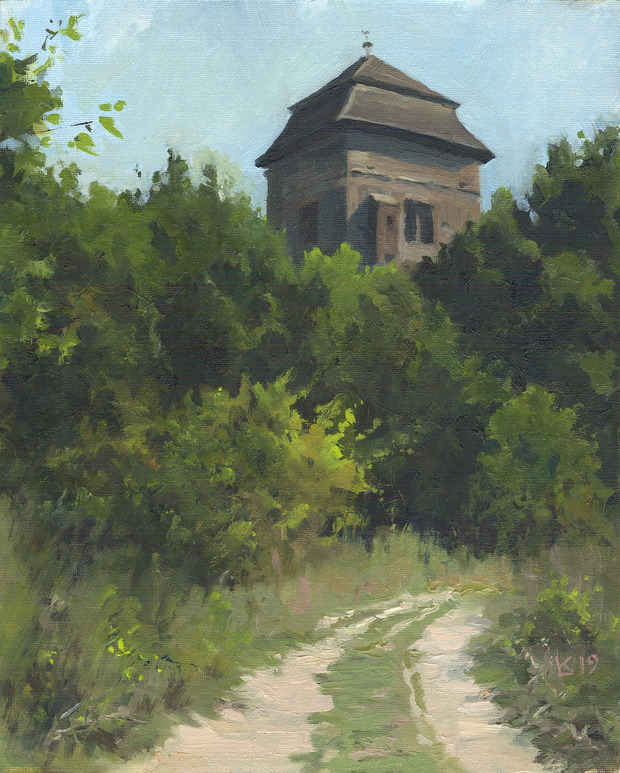
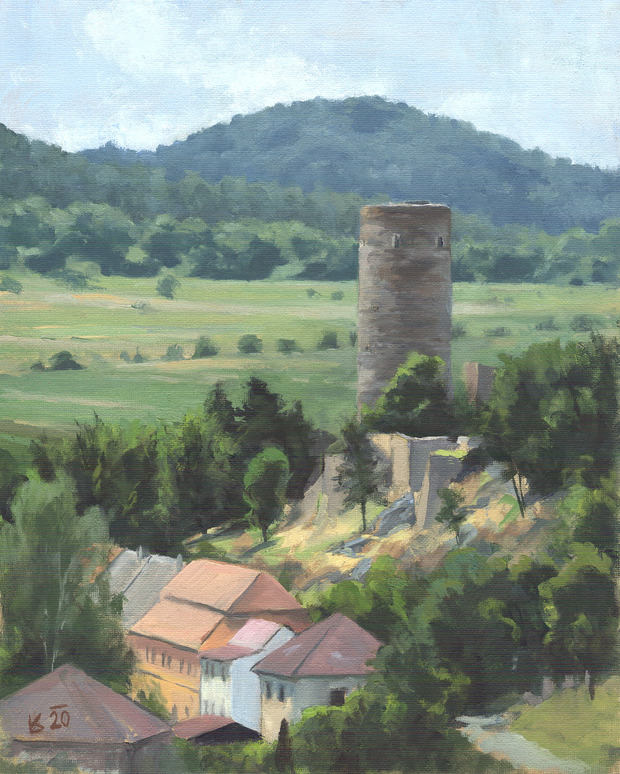
Paintings and Sketches









Contact
- lubomir.kostal@fgu.cas.cz
- +420 2 4106 2276
- Videnska 1083, Prague, 14200
- City bus 138, 193, 203 (stop “Ústavy Akademie věd”),